It's 2am and you're staring at the ceiling again. You've already tried the white noise app, the meditation recordings, the melatonin supplements from three different brands. Everything the internet promised would work.
And yet here you are, wide awake, watching the hours slip away. But then one night you notice something small: the evenings you ate a light snack a few hours before bed, you actually fell asleep faster.
Not dramatically different, just observably easier. Your body's been broadcasting these signals all along, but nobody handed you the decoder ring.
Your Bedtime Routine Might Be Missing This Piece
It's 2am and you're staring at the ceiling again. You've already tried the white noise app, the meditation recordings, the melatonin supplements from three different brands. Everything the internet promised would work. And yet here you are, wide awake, watching the hours slip away. But then one night you notice something small: the evenings you ate a light snack a few hours before bed, you actually fell asleep faster. Not dramatically different, just observably easier. Your body's been broadcasting these signals all along, but nobody handed you the decoder ring.
 Image by RM AI
The Turkey Sandwich That Actually Makes Sense
Watch what happens when you eat turkey with whole grain bread: you're setting off a biochemical chain reaction that's surprisingly elegant. Turkey contains tryptophan, an amino acid that your body converts into serotonin, the neurotransmitter that helps regulate mood and sleep, which then transforms into melatonin as evening deepens. The bread becomes essential here because the carbohydrates trigger an insulin response that clears competing amino acids from your bloodstream, giving tryptophan a clearer path to your brain. Your body's own sleep-promoting machinery finally gets the raw materials it needs to work properly.
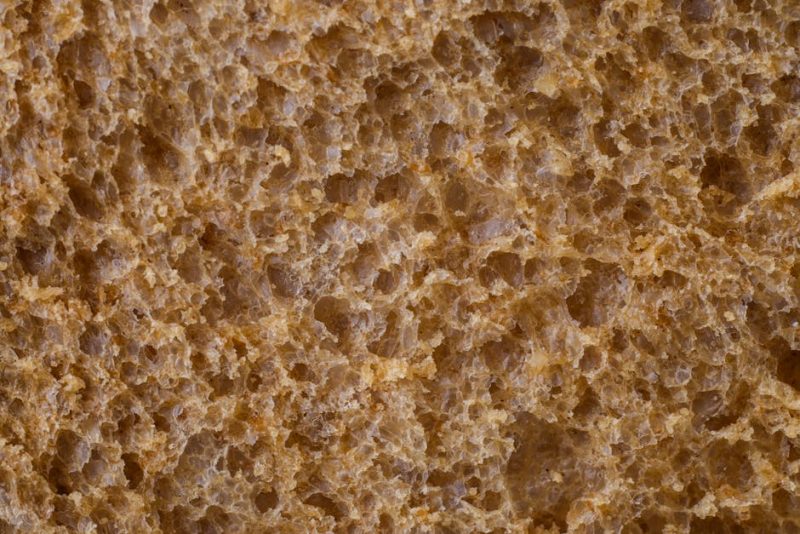 Image by RM AI
Tart Cherry Juice: The One With Actual Numbers Behind It
People who drank tart cherry juice twice daily slept about 84 minutes longer, according to clinical research that stands out for its consistency and measurable results. The evidence here isn't anecdotal or vague, which matters when you're sorting through sleep advice. The juice contains natural melatonin that works alongside your body's own production, essentially giving your sleep system a gentle boost rather than forcing anything artificial. At 240 milliliters twice daily, it's a straightforward addition to your routine that doesn't require complicated timing or mixing with other foods.
 Image by RM AI
What Magnesium Does While You're Not Paying Attention
Magnesium does something quieter than other nutrients: tells your muscles to relax, your nervous system to settle down without fanfare or drama. While you're going about your evening, magnesium is working behind the scenes, easing the tension that's built up in your shoulders and jaw throughout the day and gently signaling your nervous system that it's safe to wind down. You might find yourself breathing a little easier, your thoughts a little less scattered, your body a little more willing to let go, though you won't feel a jolt or notice a sudden shift. Magnesium creates the conditions for rest, then gets out of the way.
 Image by RM AI
The Banana and Almond Butter Combination
A banana with almond butter 45 minutes before bed is one of those pairings that actually works because it hits the protein-plus-carbs formula your body appreciates when you're winding down. The banana delivers quick carbohydrates that help your brain access tryptophan, while the almond butter adds protein and fat to slow digestion and keep you satisfied through the night. At around 200 calories, it lands squarely in that sweet spot where you're giving your body something meaningful without overloading your digestive system right before sleep. The simplicity of this combination often makes it easier to stick with than more complicated bedtime snack routines.
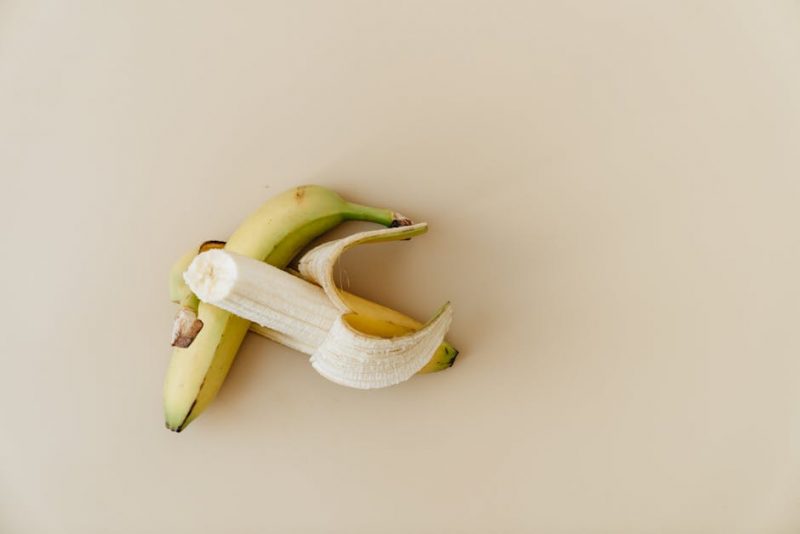 Image by RM AI
Why Your 9pm Dinner Keeps You Wired at Midnight
Eating dinner at 9pm and wondering why you're wired at midnight? Your timing might be working against your sleep more than you realize. When you eat a substantial meal close to bedtime, your body prioritizes digestion over rest, keeping your metabolism elevated and your mind alert when it should be winding down. Most sleep experts recommend finishing your main meal two to four hours before bed, ideally around three hours, and steering clear of heavy or fatty foods in those final hours before sleep. That shift from 9pm to an earlier dinner window gives your body the actual conditions it needs to transition into sleep.
 Image by RM AI
Kiwi: The Fruit That Surprised Researchers
Studies found that eating two kiwis an hour before bed helped people fall asleep 42% faster and sleep 13% longer throughout the night. Researchers weren't entirely sure what they'd find when they started testing kiwi, but the results were consistent enough to catch attention in sleep research circles. The fruit contains serotonin and antioxidants that appear to support sleep quality, though the exact mechanisms are still being studied. Two medium kiwis give you a light, refreshing option that works particularly well if heavier snacks sit uncomfortably in your stomach before bed.
 Image by RM AI
The Warm Milk Debate: Why It Works for Some and Not Others
Some people swear by warm milk, while others find it sits heavy in their stomach and does nothing for their sleep. The difference comes down to individual variation: the same food genuinely works differently for different people depending on your digestion, metabolism, and even your associations with the drink itself. Warm milk didn't help? That's useful information about what your body needs, not a personal failing. The best bedtime snack is the one your body actually responds to, which means trusting your own experience over any single sleep hack.
 Image by RM AI
What Happens When Hunger Wakes You at 3am
Hunger waking you at 3am? Your body might actually be telling you something worth listening to. A light snack of 150 to 300 calories eaten 30 to 60 minutes before bed can help prevent those middle-of-the-night wake-ups, though what works beautifully for one person might not work the same way for another. Your individual metabolism, activity level, and what you ate earlier in the day all play a role in whether you'll need that pre-bed bite. Rather than fighting your hunger signals, consider them useful information about what your particular body needs for uninterrupted sleep.
 Image by RM AI
Almonds and Walnuts: The Magnesium Connection
Both almonds and walnuts deliver magnesium, which tells your nervous system to settle down when you need it most. This mineral works quietly in your body as a muscle relaxant, easing the physical tension that often keeps you wired even when you're exhausted. Grouping foods by what they actually do for you, rather than just their calorie count, can shift how you think about bedtime snacks. A small handful of either nut gives your body the same calming signal, so you can choose whichever one appeals to you.
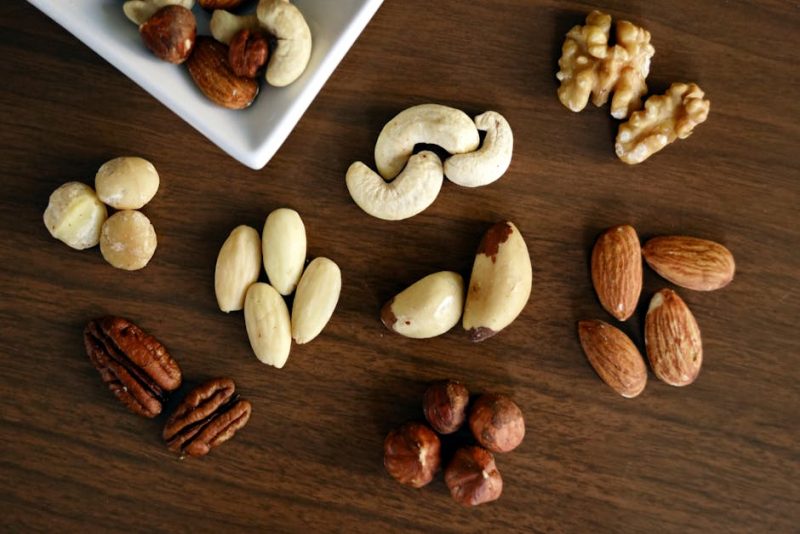 Image by RM AI
The Three-Hour Window Most Sleep Experts Land On
Most sleep experts land on eating main meals about three hours before bed, though you'll find the sweet spot really falls somewhere between two and four hours depending on your body. This three-hour window gives you a practical target when you're planning your evening routine. Your digestive system needs time to process a substantial meal before you're asking your body to wind down, and that timing lets both digestion and sleep happen in their own rhythm. Think of it less as a hard rule and more as the consensus that's emerged from what actually works for most people.
 Image by RM AI
Why That Afternoon Coffee Is Still With You at Bedtime
Caffeine lingers in your system for roughly six hours, meaning that afternoon coffee is still affecting you at bedtime. Ever wondered why you're wired at 11pm despite your 3pm latte? The caffeine hasn't left your body. It's still blocking the adenosine receptors in your brain that signal sleepiness. To protect your sleep, most sleep experts recommend avoiding caffeine at least six hours before you plan to turn in, which gives your system enough time to process it out.
Image by RM AI
Fatty Fish for Dinner: The Vitamin D and Omega-3 Effect
Salmon, tuna, and mackerel contain both vitamin D and omega-3 fatty acids, a combination that research has linked to better sleep quality and duration. People who ate fatty fish three times per week fell asleep faster and functioned better during the day compared to those who ate other proteins. The omega-3s help regulate serotonin, while vitamin D appears to play a role in sleep regulation, though scientists are still mapping out exactly how these mechanisms work together. Having fatty fish for dinner a few times a week gives you these benefits without requiring a complete dietary overhaul.
 Image by RM AI
The Alcohol Paradox: Falling Asleep Fast, Waking Up at 2am
Alcohol helps you fall asleep, then wakes you up a few hours later when it metabolizes. If you've noticed this pattern, you're not imagining it. Your body treats alcohol like any other substance to process. As it breaks down, it disrupts the deeper sleep stages you need most, leaving you alert at 2am even though you were out cold at 10pm. To avoid this cycle, try keeping alcohol to at least four hours before bed, which gives your body time to metabolize it before you're trying to stay asleep.
 Image by RM AI
Whole Grain Crackers With Cheese: The Pattern in Action
Whole grain crackers with cheese: another example of protein meeting carbs in a way your body recognizes. When you pair protein with complex carbohydrates, you're giving your system the combination it needs to support sleep without triggering the wired feeling that comes from carbs alone. This works as a light snack about 30 to 60 minutes before bed, keeping you in that sweet spot of 150 to 300 calories where your body can process the food without demanding digestive energy all night. Same principle as the other combinations that work, different form.
 Image by RM AI
Chamomile Tea: Beyond the Placebo Effect
Chamomile contains apigenin, an antioxidant that binds to specific receptors in your brain that promote sleepiness and reduce anxiety. While some dismiss chamomile as pure placebo, the compound's effects on these brain receptors have been documented in multiple studies. Drinking a cup about 45 minutes before bed gives the apigenin time to work its way through your system. The warmth of the tea itself might also signal to your body that it's time to wind down, creating a double benefit that's both chemical and ritual.
 Image by RM AI
What Your Body Does With Serotonin at Night
Your body already knows how to convert serotonin into melatonin; it just needs the tryptophan to start the chain. This amino acid travels through your bloodstream, transforms into serotonin during the day, and then shifts into melatonin when darkness falls, a biochemical pathway that's been well-established in sleep science. You're providing the raw material your body's been designed to use. When you understand this process, choosing foods that contain tryptophan stops feeling like guesswork and starts feeling like you're actually working with your biology instead of against it.
 Image by RM AI
The 150 to 300 Calorie Sweet Spot for Bedtime Snacks
Somewhere between 150 and 300 calories, enough to quiet hunger without keeping your digestive system working overtime, is the sweet spot for a bedtime snack. Tried eating nothing before bed only to wake up ravenous? Or gone too heavy and felt uncomfortably full while trying to sleep? This range offers a practical middle ground that actually works with your body's needs. Having a light snack 30 to 60 minutes before bed falls well within what sleep experts consider acceptable, since it's substantial enough to prevent midnight wake-ups but gentle enough that your digestion won't interfere with rest.
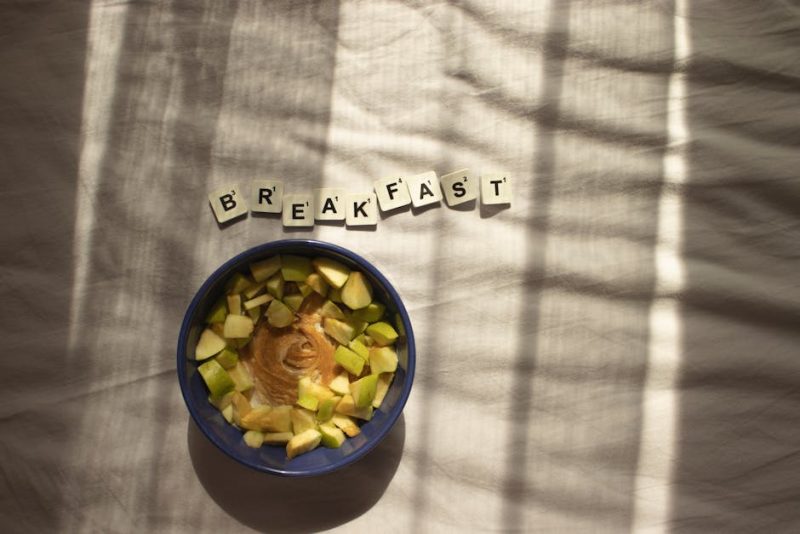 Image by RM AI
Why Heavy Meals Make Your Body Choose Between Digestion and Sleep
Your body can't fully commit to sleep when it's still working to digest a heavy meal. That's because digestion and sleep are competing for the same limited resources. When you eat fatty or large meals close to bedtime, your digestive system demands blood flow, stomach acid production, and metabolic energy at the exact moment your body's trying to shift into rest mode, creating a physiological tug-of-war that leaves you restless. Timing matters more than you might think: eating your main meal two to four hours before bed gives your body enough time to handle the heavy lifting of digestion before sleep takes priority.
 Image by RM AI
The Nights You Notice the Difference
Start noticing the nights you fall asleep easily versus the nights you lie awake. What did you eat, and when? You might discover that the same late-night snack that helps your partner drift off leaves you restless, because individual variation means the same food works differently for different people. Experiment with timing and foods, pay attention to how you actually sleep, and trust what your own body tells you. This kind of attention transforms eating from another thing you're doing wrong into genuine information about what works for you specifically.
Image by RM AI
This Isn't Magic, But It's Real
Food's role in sleep is often overlooked, even though the science backing it is solid and reproducible. You've probably tried everything else, and if you're skeptical about whether what you eat actually matters at night, that skepticism makes sense, but the mechanism is real and observable in your own sleep patterns. Pay attention to what your body tells you when you try something different. Notice what works, and trust what you observe. The connection between what you eat and how you sleep isn't about finding one perfect food, but about understanding the patterns that help your particular body wind down when you need it most.
 Image by RM AI
KEEP ON READING

20 Top Reasons Why You Might Get…

ata test
atanas test
atanas test